The dangerous hour at the shore isn't noon. It's dusk.
Around 7:47 on a recent evening in Wildwood, the calls came in — swimmers in distress in the ocean, two separate emergencies minutes apart. Lifeguards, police, and firefighters converged on the water, and when it was over, nine people had been pulled from the sea. Nine. In a matter of minutes. And here's the detail that should stick with every family planning a beach day this summer: it happened after the lifeguards who had spent the whole day perched at the water's edge had gone off duty.
That's the shore's quiet arithmetic. The guards come down from the stands, the crowds thin, the light softens, and the ocean does not clock out. The same rip currents that a trained eye would have flagged at two in the afternoon are still there at eight, working on swimmers who assume the risk left with the whistles.
A Title, Finally Earned on Paper
The Wildwood rescues landed in the same stretch of summer that New Jersey formally decided its lifeguards deserve to stand alongside the state's other emergency responders. On June 30, the state Senate unanimously passed a resolution recognizing New Jersey's roughly 3,000 open-water lifeguards as first responders — the same category as police, firefighters, and EMS. It is the kind of designation that sounds ceremonial until you read what these men and women are actually trained to do.
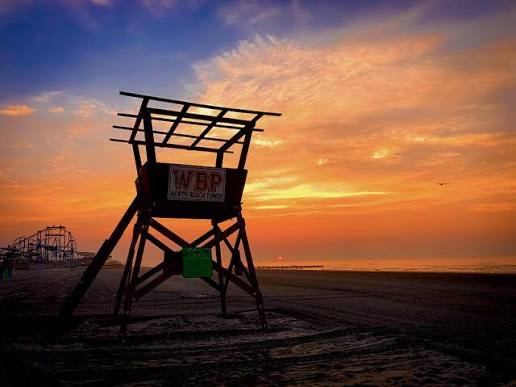
An open-water lifeguard doesn't just watch the water. They perform ocean rescues in surf that would flip most of us, administer CPR, stabilize spinal injuries in the sand, provide emergency medical care, run rescue watercraft, and coordinate with the other agencies when a small emergency threatens to become a large one. For years, the state's legal framework treated that work as something less than first-response. The June resolution closed the gap, and it comes with real consequences — eligibility for emergency-responder insurance programs, line-of-duty death benefits for the families of guards killed in service, and priority protections during future public-health emergencies.
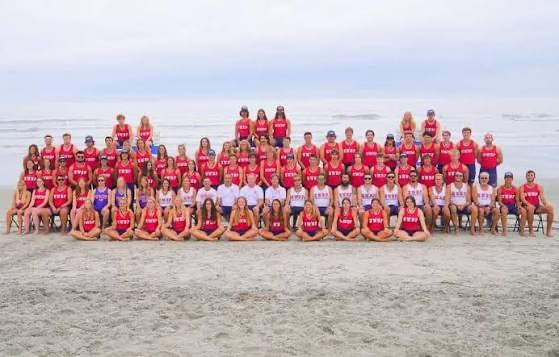
I've spent enough summers watching South Jersey beach patrols to know these are not part-time kids killing time before college — or at least, not only that. They are the reason a bad afternoon at the shore ends with a story instead of a funeral. The recognition is overdue, and the timing, coming in the same weeks as a nine-person rescue, is almost too on-the-nose. The state put the honor on paper, and the ocean immediately reminded everyone why it was earned.
What It Means For Your Family
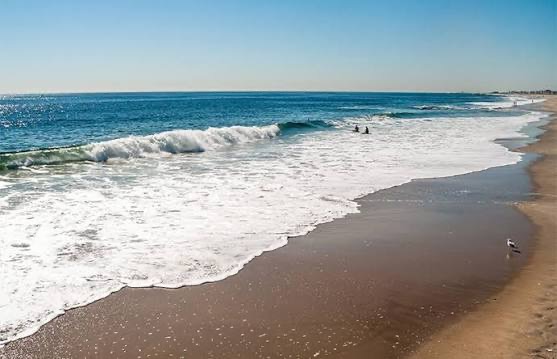
For families heading down the shore this summer, the lesson from that Wildwood evening writes itself, and it's worth saying plainly. Swim near a guarded beach, and swim when the guards are actually there — check the posted hours and respect them. If you're caught in a rip current, don't fight it straight back to shore; swim parallel to the beach until you're out of the pull, then angle in. Teach your kids the same. And if you see someone struggling after the stands have emptied, call 911 before you go in yourself — because the hardest rescues, the ones that pull nine people out of the dark, are the ones nobody was standing there to prevent.
From Wildwood to Ocean City to the guarded beaches of Cape May and Atlantic counties, South Jersey's beach patrols are the summer's quiet backbone. The new first-responder designation honors roughly 3,000 of them statewide. The best way for the rest of us to return the favor is simple: swim smart, swim guarded, and make their evenings a little quieter.
The guards earned their new title. The best way for the rest of us to honor it is to make their evenings a little quieter.
Max Cedar covers community life and the shore for The Neighborhood Gazette. Reporting from NBC10 Philadelphia, Shore Local Newsmagazine, News 12 New Jersey, and FireRescue1. Always swim near a guarded beach during posted hours.