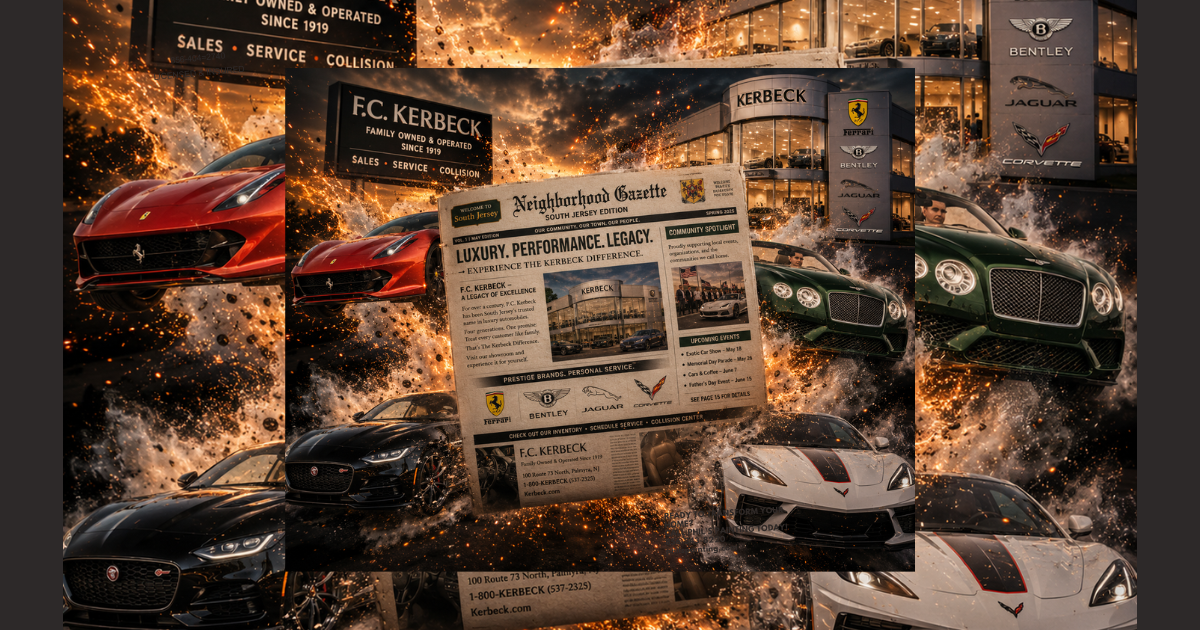
There are people in every community who become part of your story before you even understand what a story is. For me, Frank Kerbeck is one of those people.
I was probably eight years old the first time I walked into the Kerbeck showroom. I remember everything about it — the size of the place, the smell, the way the light hit the cars in a way that made everything look a little bit like a dream. And I remember his mother. She was the kind of woman who made you feel welcome the second you walked in. Not because it was her job. Because that's simply who she was. Warm. Present. The kind of person who, without saying it, tells you that this place is different from the others.
And then Frank put me in what he called The Bullet.
I don't know exactly what it was — I was eight. All I knew was that it sat low to the ground, and to a kid from South Jersey, it might as well have been a spaceship. I climbed in, and for a moment I understood something I couldn't have articulated at the time: some people just understand what makes a moment. Frank Kerbeck understood that. He's understood it his whole life.
But that moment — eight years old, in a car called The Bullet — was just one small chapter in a story that began over a century before I was born.
It Started With Horse-Drawn Buggies in Philadelphia.
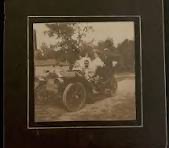
When William McKinley sat in the White House and the streets of Philadelphia still rang with the sound of hooves on cobblestone, a man named Charles F. Kerbeck began selling horse-drawn buggies to wealthy families across the city. It was honest work, important work — this was 1899, and personal transportation was how the world moved. Doctors got to their patients. Merchants got to their markets. Families got to church on Sunday morning. Charles Kerbeck understood that selling someone a vehicle wasn't just a transaction. It was a promise.
What's telling is what he did next.
When his customers' chauffeurs brought the buggies in for repair — or to change their configuration from the warm-weather setup to the cold-weather one — Kerbeck didn't just fix the carriage and send the driver home. He gave them a place to sleep for the night. Free of charge. No invoice line item. No angle. Just the understanding that if you take care of the person in front of you, they'll take care of you in return.
That detail, small as it sounds, tells you everything about where this family was always headed.
When Horses Gave Way to Horsepower.
Horse-drawn carriages evolved into coaches powered by gasoline engines, which evolved into automobiles. America changed, and the Kerbeck family changed with it. The next generation carried Charles's instinct into a new era — recognizing, as he once had, that what people needed wasn't just a vehicle. They needed someone to trust with a purchase that mattered.
Frank C. Kerbeck Sr. built on what his predecessors started. He opened a car dealership and brought with him the same philosophy that gave overnight lodging to a chauffeur in 1899: take care of the person in front of you, and everything else will follow.
Palmyra. Route 73. The Nickel Bridge.
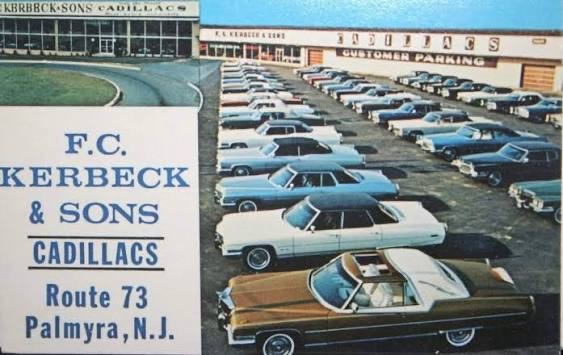
In the 1960s, the family made the decision that would define the next six decades: they planted their flag at 100 Route 73 North in Palmyra, New Jersey. It wasn't a random choice. Route 73 sits at the natural crossroads between Philadelphia and the towns of South Jersey — a stretch of road where buyers from both sides of the Delaware River could reach you without crossing anything but familiar ground.
The Tacony-Palmyra Bridge — called "the nickel bridge" by generations of locals for the toll it once charged — sits just down the road. It was a fitting address for a family whose whole story is about connection: city to suburb, seller to buyer, promise to result. The Kerbecks understood that being in the right place mattered, but it was never just about location. Plenty of dealerships had good locations. Not all of them lasted.
1968. The Year That Could Have Ended Everything.
Frank C. Kerbeck Sr. passed away in 1968.
Businesses lose their founders every day. Most don't survive it. The vision was his, the relationships were his, the handshake was his. When the founder is gone, what remains is either something real — a culture, a set of values, a family that actually believes what it preaches — or something hollow that was always just one man's force of will. You find out fast which one it is.
What was left at Kerbeck was real.
Jennie Kerbeck — Frank Sr.'s wife — kept the doors open. She understood what her husband had built and she wasn't prepared to let it go. Her son Charles stepped up alongside her. And in the years that followed, the next generation of Kerbeck brothers joined the business: men who'd grown up watching their father treat every customer like the most important person in the building, who'd absorbed it so completely that it had become their native language.
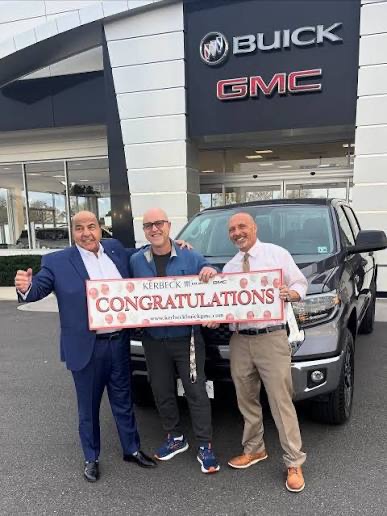
"We're in the people business. Not the car business." — The Kerbeck Brothers
Building an Empire. On a Foundation of Character.
In the years that followed, the Kerbeck name grew from a South Jersey dealership into something genuinely unusual in American business: a multi-brand automotive group that never lost its character in the process of getting bigger.
They expanded to Atlantic City. General Motors franchises grew and multiplied. Over time, what had been a single operation became something that had no real equivalent in the region: 14 franchises, 12 different brands, eight separate showrooms, spread across South Jersey and the greater Philadelphia market.
At their peak as a Corvette dealer, FC Kerbeck wasn't just the biggest in South Jersey. They weren't just the biggest in New Jersey. They were the largest Corvette dealer in the world — a title they held for twenty-eight consecutive years. Twenty-eight years. That kind of achievement doesn't happen because of a great marketing campaign. It happens because customers who buy one car from you come back for their second, and tell their friends, and those friends become customers, and those customers become referrals, and one day you look up and discover that what you built by simply doing right by people has made you the best in the world at something.
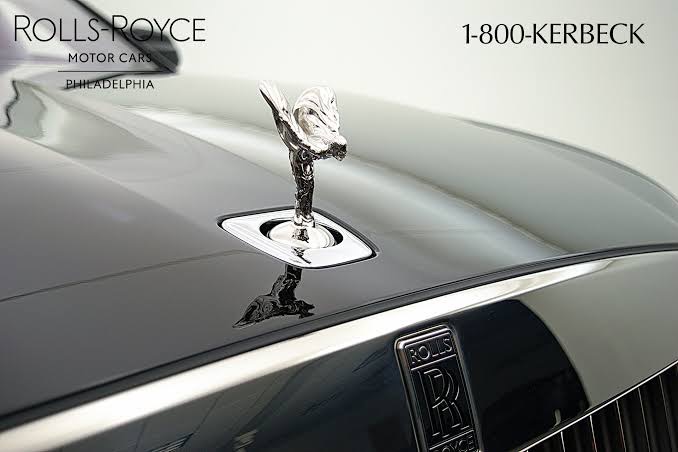
They made 1-800-KERBECK a brand. They hosted a Saturday morning television program that introduced South Jersey to their family the same way the best local businesses always introduce themselves — by showing up in your living room and being exactly who they said they were. Frank Kerbeck became a household name not through advertising tricks, but because the name consistently meant something.
2021. The Pivot That Changed Everything.
In 2021, the Kerbeck brothers made the kind of decision that separates businesspeople from businesspeople who are also visionaries.
They sold their GM operations in Atlantic City and Pleasantville to Ciocca Dealerships — and they did it not because things were bad, but because they knew exactly where they were going. The future of the Kerbeck brand wasn't going to be built on volume. It was going to be built on distinction. On the segment of the market where the customer experience matters most, where reputation is literally everything, where the people walking through your doors are buying more than a vehicle — they're buying an experience, a relationship, a story they'll tell for decades.
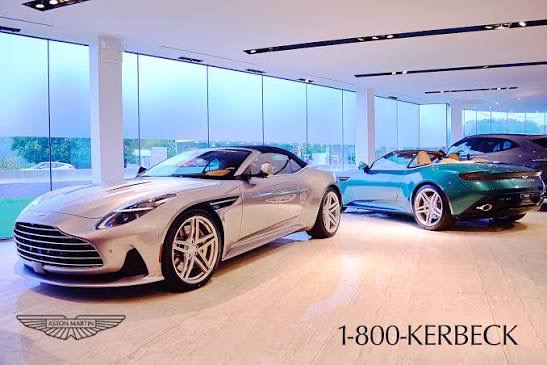
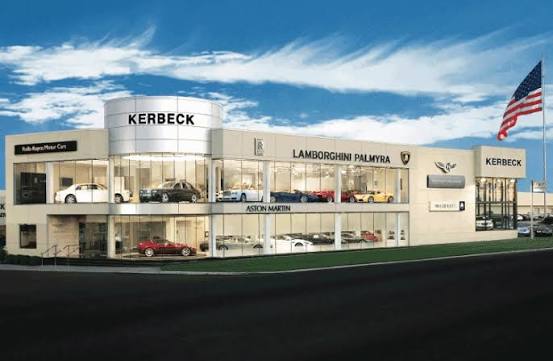
Today, the FC Kerbeck showroom in Palmyra spans 20,000 square feet. On any given day, you might walk past a 2026 Lamborghini Revuelto at $768,040, a 2027 Rolls-Royce Cullinan at $488,850, or a 2026 Bentley Continental GTC Speed at $458,765. The full portfolio — Rolls-Royce, Bentley, Aston Martin, Maserati, Lamborghini, Cadillac, Buick, GMC — represents some of the most revered automotive marques in the world.
This is not a car dealership. It's a gallery with an ignition key.
How Kerbeck Lasted 127 Years. The Real Answer.
People love to talk about what makes a business last. They point to location, capital, timing, luck. All of those things played a role at Kerbeck. But if you want the honest answer about why FC Kerbeck is still here 127 years after Charles Kerbeck gave a Philadelphia chauffeur a free place to sleep, it comes down to something much simpler than any of that.
The Kerbeck brothers say it plainly: "We're in the people business. Not the car business."
That's not a slogan. That's a philosophy that has been lived and practiced and handed down through four generations — and right now, the fourth generation of Kerbecks is beginning to get involved in the business. The thing that Charles F. Kerbeck started on the streets of Philadelphia in 1899 is still being carried. The product changed completely. The brands went from horse-drawn buggies to Rolls-Royces. The location changed, the scale changed, the footprint changed. What never changed — what cannot change at FC Kerbeck, because it's too deeply woven into who these people are — is the fundamental commitment to the person standing in front of you.
Most businesses that fail don't fail because of competition. They fail because they stopped caring about the customer and started caring about the transaction. The Kerbecks never made that trade. In 127 years, through recessions and booms, through the death of a founder and the sale of a division, through horse-drawn buggies and Lamborghinis, the answer to every business question at FC Kerbeck has been the same one Charles gave when a chauffeur needed a place to sleep: take care of the person. Everything else follows.
Years Went By. The Way They Always Do.
Frank became one of the best-known names in South Jersey. The Kerbeck family built something in this community that goes way beyond cars — they built a reputation. A relationship with South Jersey that has survived every economic cycle, every shift in the auto industry, every moment when smaller operations folded and took their chances somewhere else.
And they built it the same way they built it from the beginning: by being exactly who they say they are, every single time.
Years after that first visit, Frank came to see me at work. I was in entertainment at the time — the kind of business where you see a lot of people come through. Frank walked in, and within fifteen minutes, every single person in that building loved him. Not because he was pitching anything. Not because he was "on." Because that's just Frank. There's no version of Frank Kerbeck that's working the room. He's the same everywhere. And people feel it.
"Some people know how to make you feel like you matter. Not because they practiced it — because it's actually who they are. That's Frank." — Paul Dell'Angelo, Gazette Publisher
That's the test of a real person, by the way. It's not how they treat you when they need something from you. It's how they treat everyone around them when nothing's on the line.
Still That Guy.
Over the years, I've sent Frank more people than I can count. Friends. Family. People who'd been burned before at other dealerships. People who were nervous about buying a car — which, if you've done it at the wrong place, you understand completely. Every single one of them came back with the same report: Frank took care of them. Called them back. Made sure the deal was right. Made sure they left happy. Made sure they felt like people, not transactions.
That is not a sales strategy. That is a value system. And you cannot fake it for a hundred and twenty-seven years.
The people he sends home in cars become customers for life. They send their kids. They send their parents. They send the neighbor who just moved to town. The Kerbeck referral network isn't built on marketing. It's built on the experience being exactly what you were told it would be.
The Day Allen Iverson Needed His Car Fixed.
There's a moment from years ago that captures the Kerbeck philosophy better than any advertisement ever could.
Paul was making a delivery to the service department — his uniform company had Kerbeck as an account — when he spotted Allen Iverson standing outside, visibly frustrated. This was during one of those stretches when the media had been particularly brutal on AI. Paul walked over. Said a few words. Told him the fans loved him and not to let the noise get to him. Iverson thanked him, then dropped his voice: "Do you know anyone in here? I've got to get my car fixed and get out. I've got practice. And the guy over there is being difficult."
Paul recognized the situation. He told Iverson to sit in his car, turn on the AC, put some music on. He'd be right back.
Inside, he found John, the service manager — someone he'd known through years of deliveries and through Frank's own visits to the library. He explained who was outside. The service rep came in still frustrated — Iverson hadn't had an appointment and the exchange had gone sideways on both sides. Paul let them vent, then said the thing that cut through all of it:
"I get it. But what would Frank do? He'd do whatever he had to, to make sure Allen leaves happy. So what do you want me to tell him?" — Paul Dell'Angelo, to the Kerbeck service team
John and the rep looked at each other. A beat. Then: "God damn it, Pauly. You're right. Tell him to pull his car in."
Paul walked back out. Iverson looked at him with genuine disbelief. "They told me—"
"Stop. It doesn't matter what they told you before. What matters is they're doing what needs to be done right now — even without an appointment. They're putting you ahead of everyone else waiting out there. So go in, say thank you, and let it go."
Iverson looked at Paul's truck, then back at him. "Do you work here or for the uniform company? You sound like the Kerbeck spokesperson or something."
Paul laughed. He explained they'd actually crossed paths before — at the library, where Frank came in a few times a week with his brother, his now-wife, his staff. "We all just take care of each other," he said. "Now get your car in before they change their minds. And be nice — or next time I'm not helping you." Iverson laughed and pulled into the bay.
The next delivery, John told Paul that AI had thanked the entire team up and down. The whole situation had turned around completely.
What defused it was four words: What would Frank do?
That's what a culture looks like when it actually runs all the way through an organization. Not just the owner. Not just the showroom floor. All the way to a service manager on a busy afternoon who — when someone reminded him what the standard was — already knew the answer and acted on it without hesitation. That doesn't happen at every dealership. That doesn't happen at most businesses. It happens at places where the owner's values are so embedded they become the operating system for everyone who works there.
What FC Kerbeck Actually Is.
What the Kerbeck family has built in South Jersey is rare in any industry. They represent some of the most respected brands in the world — an inventory that spans from the first car a young family buys together to vehicles that belong on the cover of Robb Report. And through all of it, the approach stays the same.
And here's something that needs to be said clearly: you do not need to be shopping for a $768,000 Lamborghini to walk into FC Kerbeck. The same customer who came in for a used family car in 1987 gets the exact same treatment as the person picking up a Rolls-Royce today. New cars. Pre-owned vehicles. First cars for a kid just getting started. Reliable everyday transportation for a family watching a budget. Whatever you're looking for and whatever your price point is — you get the full Kerbeck experience. You get treated like a person who matters, by people who genuinely intend to earn your business and your trust. That philosophy doesn't change based on what you're spending. It never has. The Allen Iverson story isn't really about Allen Iverson — it's about the fact that a stressed-out person who needed help got it, because that's what Kerbeck does for everyone who walks through the door.
In an era where buying a car has become an exercise in anxiety — online bait-and-switch pricing, hidden fees, pressure tactics, salespeople who vanish after the paperwork — the FC Kerbeck experience is genuinely different. You get real people. Real conversations. Pricing that's what it says it is. And service after the sale that actually means something.
In South Jersey, we talk. Word travels fast. The businesses that last here — the ones that people actually recommend, not just tolerate — are the ones that understand every customer is also a neighbor. Charles Kerbeck understood that in 1899 when he gave a chauffeur a bed for the night. Frank Kerbeck understood it when he put an eight-year-old kid in a car called The Bullet. And his family understands it today, on the floor of a 20,000-square-foot showroom in Palmyra where a Rolls-Royce Cullinan sits next to a Buick and both customers get treated the same way.
"When Frank puts you in a car, you know it's the right car. And you know he'll be there if you need him after. That's not something you can say about many dealers. It's something you can always say about Frank." — A longtime South Jersey customer referral
The Gazette's Recommendation.
The Neighborhood Gazette doesn't hand out endorsements. We don't do paid writeups that pretend to be editorial. What you're reading right now is a personal account from someone who has known Frank Kerbeck for most of his life — and whose trust in this recommendation is built on decades of experience and zero surprises.
FC Kerbeck isn't just a great dealership. It's one of South Jersey's great institutions — a family business that has lasted longer than most of the buildings on Route 73, that has outlasted economic cycles and industry upheavals and the deaths of founders, and that is still standing, still growing, still treating people the same way a man named Charles Kerbeck decided they should be treated in 1899.
If you're in the market for a vehicle — or you know someone who is — go see Frank. Tell him the Gazette sent you. You will be treated like a person. You will leave with the right car. And a year from now, when someone asks you about the experience, you'll tell the same story everyone tells.
That's what 127 years of character earns you. And that's exactly what FC Kerbeck is.
FC Kerbeck — South Jersey Automotive
This is what a Gazette Spotlight is for. Not to sell you something — to tell you about someone worth knowing. FC Kerbeck is absolutely worth knowing. They've been earning it for 127 years, and they're not done.
Every Great Business Has a Story. Let Us Tell Yours.
The Neighborhood Gazette features outstanding South Jersey businesses we believe our readers should know about. Tell your neighbors who you are, what makes your business different, and why they should choose you. If that sounds like your business, we'd love to tell your story.
Tell Your Story →