WASHINGTON TOWNSHIP — Settlement money from the companies that fueled the opioid crisis is supposed to do one thing: help the people that crisis hurt. Prevention. Treatment. Outreach to the families still living inside it. That is the deal New Jersey towns agreed to when the checks started arriving.
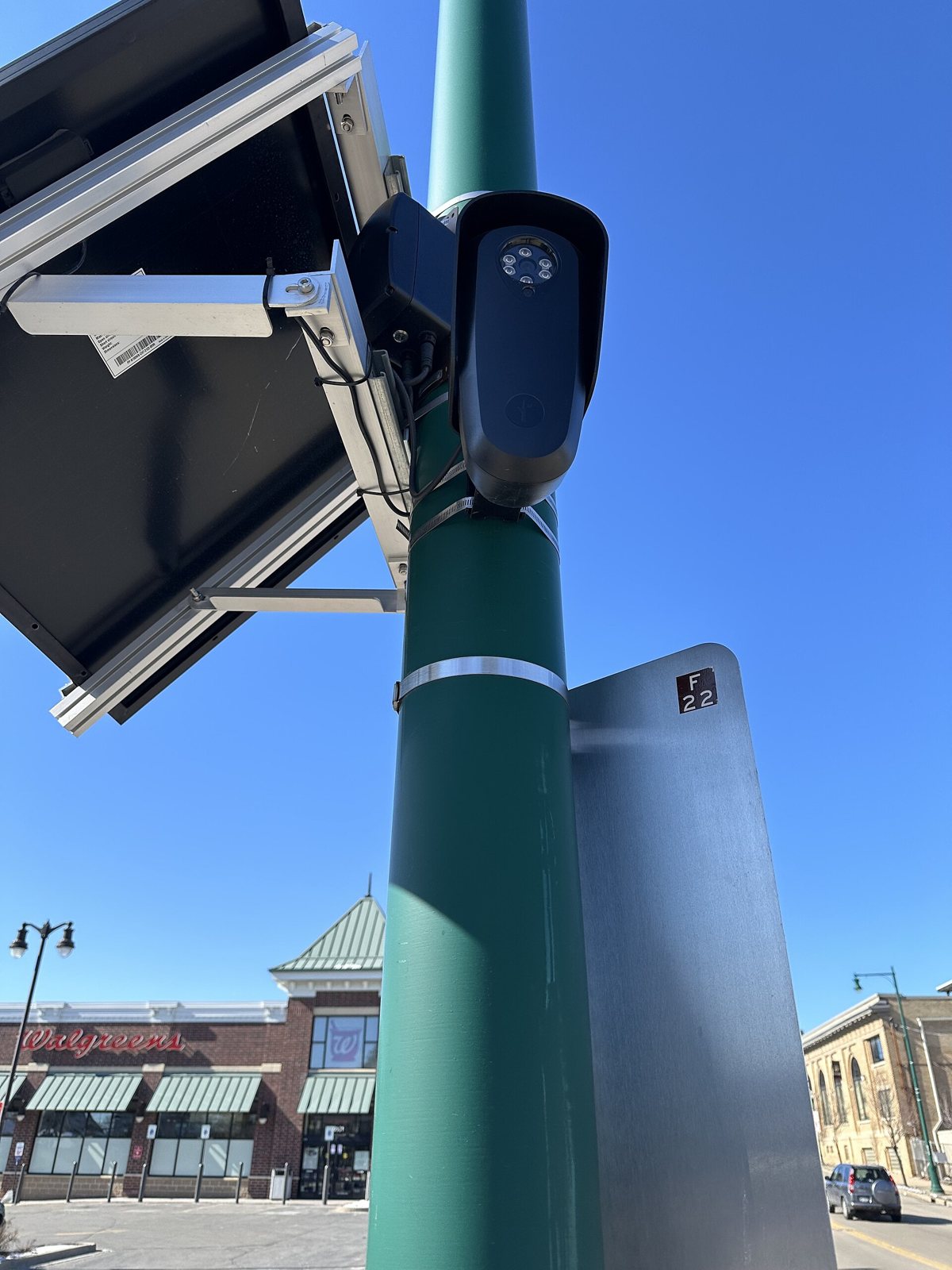
Washington Township, according to an NJ.com investigation reported this month, spent nearly $268,000 of its share between November 2024 and April 2026 on two 2024 Chevrolet Tahoes and 15 Flock license-plate surveillance cameras for its police department. In 2024 and 2025, the township spent none of that opioid money on drug-education programming — even after telling the state it was investing in exactly that.
A promise and a receipt
This is a town that, by state treatment figures, carries one of the heaviest addiction burdens around: it had the most heroin treatment admissions in Gloucester County last year. So the question a taxpayer is entitled to ask is simple, and I’ll ask it plainly: how do two police SUVs and 15 plate-reading cameras become “drug education”?
The uncomfortable answer is that, under the current system, almost no one is positioned to stop it. Towns and counties self-report to the New Jersey Department of Human Services how they spend their settlement proceeds. They are not routinely required to hand over receipts or documentation. And DHS, for its part, told NJ.com it does not see itself as responsible for making sure the money is spent appropriately. Read that again. The agency collecting the reports says policing the spending isn’t its job. There is no clear tracking process and no real mechanism for residents who believe their government is spending the money wrong.
The agency collecting the reports says policing the spending isn’t its job.Grace Monroe
A statewide gap
That gap is not a Washington Township problem. It’s a statewide one. The same investigation found that dozens of New Jersey municipalities spent at least $2.3 million in opioid settlement dollars on items like concerts, branded clothing and a muscle car rather than the prevention, treatment and outreach the funds were meant for. Washington Township is simply one of the clearest examples — a place with a documented crisis, a stated promise, and a spending record that points somewhere else entirely.
I want to be fair to the township. Police SUVs and plate-reading cameras are not frivolous in the abstract; departments buy both all the time. The township’s police chief told the council in September that the plate readers would help break the cycle of addiction-related crime, and the township’s lawyer has blamed the purchases on the prior administration and says the town is drawing up a plan for future settlement spending. But “it’s loosely related to safety” is a long way from the standard this money was given under. These dollars came with a purpose attached, written into the national settlement that produced them, because the people who negotiated it understood the temptation to treat a windfall as a general-fund slush.
What should change
What should change is not complicated. If a town tells the state it is spending opioid money on drug education, the state should be able to ask for proof, and someone — DHS, the Legislature, anyone — should be accountable for checking. Residents who want to know where their town’s share went should not have to wait for a newspaper investigation to find out. Transparency here is not a partisan ask. It’s the minimum a grieving family is owed.
The overdoses in Washington Township were real. The promise the town made about this money was real. For the people reading this who have buried someone, or who are still praying a phone doesn’t ring, the gap between those two facts is the whole story.
Based on reporting from NJ.com and The Philadelphia Inquirer.
More from Government
Know where your town’s settlement money went? Tell the Gazette.
Read More Local News →