I talk to a lot of small-business owners and first-time buyers around Mount Laurel who ask me the same question in different words: is it actually possible to buy a house here right now, or has that window quietly closed? The numbers say it’s still open — but the door’s gotten narrower, and it helps to know exactly how narrow before you start looking.
Statewide, New Jersey’s median home price sat around $563,000 in May, up roughly 3% from a year earlier. Mortgage rates have been bouncing in a range that would’ve sounded impossible a decade ago but feels almost normal now — 30-year fixed rates have moved between about 6.1% and 6.9% over the past month, depending on the day and the lender, with several sources putting the current statewide average closer to 6.75% to 6.9%. That’s the headline number. Here’s the one that actually matters at your kitchen table: according to Reventure App data, a New Jersey homebuyer needs roughly $181,000 in annual household income to keep a typical mortgage payment under 30% of their income. The state’s median household income is nowhere close to that.
Property taxes are doing a lot of the damage here, and this is the part South Jersey buyers need to sit with. New Jersey’s effective property tax rate averages 2.23%, the highest of any state in the country. On a $480,000 home — which is closer to what you’d actually find in a lot of Camden, Burlington, and Gloucester County towns than the statewide median — that works out to roughly $10,700 a year, or about $892 a month, layered on top of your principal, interest, and insurance. Lenders count that entire tax payment against your debt-to-income ratio when they decide how much house you qualify for. That’s the mechanism that quietly shrinks a buyer’s budget more than the mortgage rate itself does.
None of this means the market’s frozen. Economists tracking the housing sector say tariff uncertainty and broader economic noise aren’t expected to disrupt New Jersey housing in the short term, and inventory in a lot of South Jersey towns has loosened up compared to the frantic bidding wars of a few years back. What it does mean is that the math has shifted from “can I afford the house” to “can I afford the house plus what the state and county are going to add on top of it every single year.” Those are two very different questions, and a lot of buyers I talk to are only running the first one.
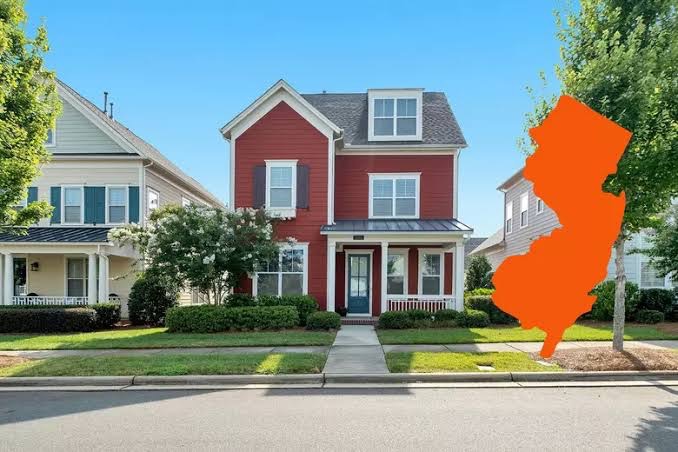
If you’re house-hunting in Voorhees, Cherry Hill, or Mount Laurel this summer, the practical move is simple: before you fall in love with a listing, pull the actual property tax bill for that specific address, not the town’s average, and run it against your real take-home income — not what a lender’s pre-approval letter says you can borrow. The gap between what you can borrow and what you can actually afford to carry every month is exactly where a lot of South Jersey families are getting squeezed right now. Better to find that gap on a spreadsheet than after closing.
Based on reporting from Redfin, Innago, and Reventure App data via industry housing analysis. The Neighborhood Gazette covers South Jersey at neighborhoodgazette.town.
Housing, taxes, jobs, and the economy — we cover what it actually costs to live and work here.
The Neighborhood Gazette delivers honest local journalism for South Jersey families and small businesses navigating real financial decisions.
Read More Business News →