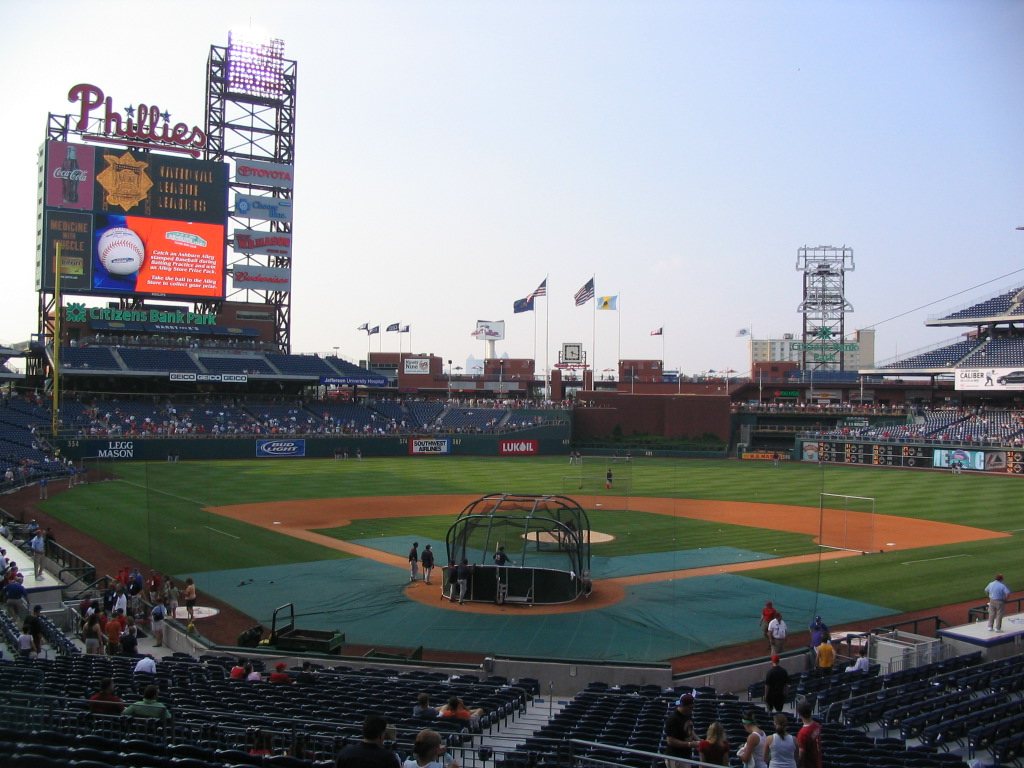
The easy decision is done. Don Mattingly, who took over in April when Rob Thomson was let go and went 79-55 the rest of the way and steered this team to a wild-card berth, is back on a two-year deal he signed on Oct. 14. If you watched the way the Phillies played for him down the stretch, you knew that one was coming. Now the Phillies get to the part that actually decides next season — and down at Citizens Bank Park, nobody’s pretending it’s simple.
Mattingly’s fingerprints
Start with the quote that tells you everything about where this winter is headed. “Last year really wasn’t my team,” Mattingly said of the 2026 club he inherited from Thomson, and then: “I think there are things that I want to do differently.” That’s a manager asking for his own fingerprints on the thing, and he’s already pressing. Hitting coach Kevin Long is gone. Infield coach Bobby Dickerson is gone. In their place comes Carlos Mendoza, the former Mets manager, hired to run the infield and coach third. For a franchise that has leaned on the same faces for years, that’s real turnover in the dugout.
But the dugout isn’t the puzzle. The puzzle is the dirt in front of it.
The Turner question
Trea Turner has seven years left on an 11-year, $300 million contract, and in 2026 he hit .242 with a .675 OPS and a league-worst 21 errors at shortstop, then went 1-for-10 in a playoff cameo. A contract that size doesn’t move in a trade — not with those numbers attached — so the Phillies are left to fix it in-house, and president of baseball operations Dave Dombrowski was about as blunt as that chair allows. “You cannot play shortstop like you did defensively in ’26 going to ’27,” he said, adding that Turner “needs to fix some things with his swing.” Dombrowski went further, floating the idea that if Turner can’t prove in spring training that he can still handle short, he could end up in the outfield. Think about that. A $300 million shortstop auditioning to keep his position.
The margins of this roster are just as open. Alec Bohm, who drove in 88 runs, is eligible for free agency. So is Luis Arraez, the contact hitter they picked up at the deadline before a sprained ankle knocked him out of October. The Phillies did quietly take care of one piece of business, bringing back lefty reliever Tim Mayza on a one-year, $2.75 million deal after a 3.48 ERA across 67 innings — the kind of unglamorous bullpen move that wins more games in July than anyone remembers by October.
And then there’s the kid everybody in the Delaware Valley wants to see. Aidan Miller, the prized infield prospect, lost most of 2026 to a back injury and is healthy again, ready to compete for a spot. For a fan base staring at an aging, expensive core, Miller is the one storyline this winter that isn’t about damage control. He’s about what comes next.
Two projects, one winter
That’s the real tension here. Dombrowski is 70, heading into the final year of his contract in 2027, running a team that is simultaneously trying to win now and trying to figure out what it looks like when the Harper-Turner-Schwarber era starts to crack. Those two projects pull in opposite directions, and the moves this franchise makes between now and February will tell you which one is winning the argument.
The manager’s hired. The coaches are changing. But the Phillies didn’t lose in October because of who was writing the lineup card. They lost because the roster ran out of answers. Keeping Mattingly was the easy part. Giving him a team that can finish the job is the winter’s actual work — and the clock on it has already started.
Keeping Mattingly was the easy part.Jake Sullivan
Based on reporting from 6abc, MLB.com, PhillyVoice, and NJ Advance Media.