For the first time in history, Americans are projected to spend more than a trillion dollars shopping for the holidays. The National Retail Federation forecast in mid-October that sales in November and December will reach $1.013 trillion, a 4.2 percent jump over last year. To put that in perspective, last year’s season grew 3.1 percent and totaled $972 billion. We are about to blow through a number that once sounded like science fiction.
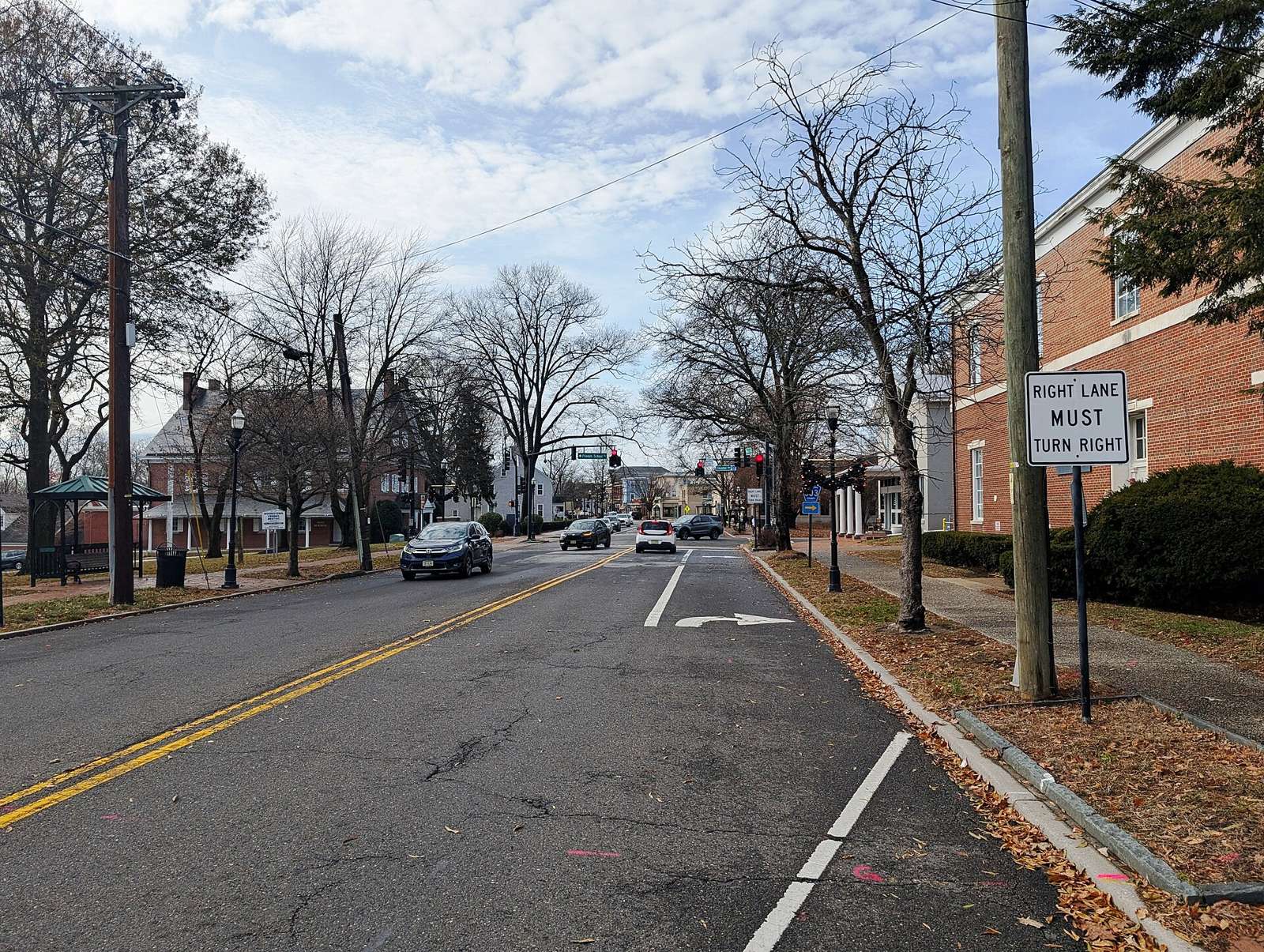
Here’s what that figure does and doesn’t tell you. The NRF counts the holiday season as November 1 through December 31, and it deliberately leaves out car dealers, gas stations and restaurants to focus on core retail — the stuff that actually goes under a tree or into a stocking. So when the trade group says a trillion dollars, it means a trillion dollars moving through stores and websites. The question that matters for us, here in Burlington and Camden and Gloucester counties, is a narrower one: how much of that river flows down our own main streets, and how much of it rushes straight past us into a warehouse in another state?
Record spending, careful shoppers
I’m optimistic by trade, but I try never to be naive about it, and neither is the NRF. “This year’s forecast reflects our confidence that consumers will prioritize the holiday season even as they remain mindful of their budgets,” said Matthew Shay, the group’s president and CEO. Read that twice. People are going to spend — but they’re watching every dollar. The NRF’s chief economist, Mark Mathews, was blunter about the headwinds, warning that “inflation, rising gas prices and pressure on household spending will affect consumers differently across income groups.” A record total and a cautious shopper are not a contradiction. They’re the whole story.
A record total and a cautious shopper are not a contradiction.Mason Carter
What that caution means for the independent shop on a South Jersey corner is simple and a little unforgiving. When money is tight, people buy carefully, and careful buyers default to whatever is easiest — the app, the two-day box, the big-box lot off the highway. Beating easy is the entire job of a small merchant in a budget-minded year. The towns around here that have figured this out — the walkable downtowns in Haddonfield, Collingswood, Moorestown, Mullica Hill — don’t try to out-price a national chain, because they can’t. They sell the thing the warehouse can’t ship: a shopkeeper who knows your name, a gift wrapped by a human being, a Saturday afternoon that feels like something instead of a transaction.
The jobs inside the trillion
There’s a real jobs story folded into that trillion dollars, too. The NRF expects retailers nationwide to hire between 325,000 and 375,000 seasonal workers this year, in the neighborhood of last year’s estimated 356,000. A good share of those are the part-time and holiday hires that put a few extra dollars in a South Jersey household’s December — the college kid home for break, the parent picking up weekend shifts, the retiree who likes the company. When a local store has a strong season, that money doesn’t evaporate into a corporate quarter somewhere. It mostly stays, recirculating through the same few square miles that spent it.
I’ll be honest about the math, because that’s my job. A rising national tide does not automatically lift a storefront on Kings Highway. The forecast is a ceiling, not a promise, and the shopper who hands a local owner her credit card this year is making a choice — the easy click, or the walk downtown. Over the next seven weeks, a trillion dollars is going to change hands in this country. The part of it that keeps the lights on at the hardware store, the toy shop and the bakery you’d miss if it closed is the part we decide, one purchase at a time.
Based on reporting from the National Retail Federation and CPA Practice Advisor.
More South Jersey Business
Mason Carter will keep an eye on how the season plays out on our downtown blocks.
Read More Local News →