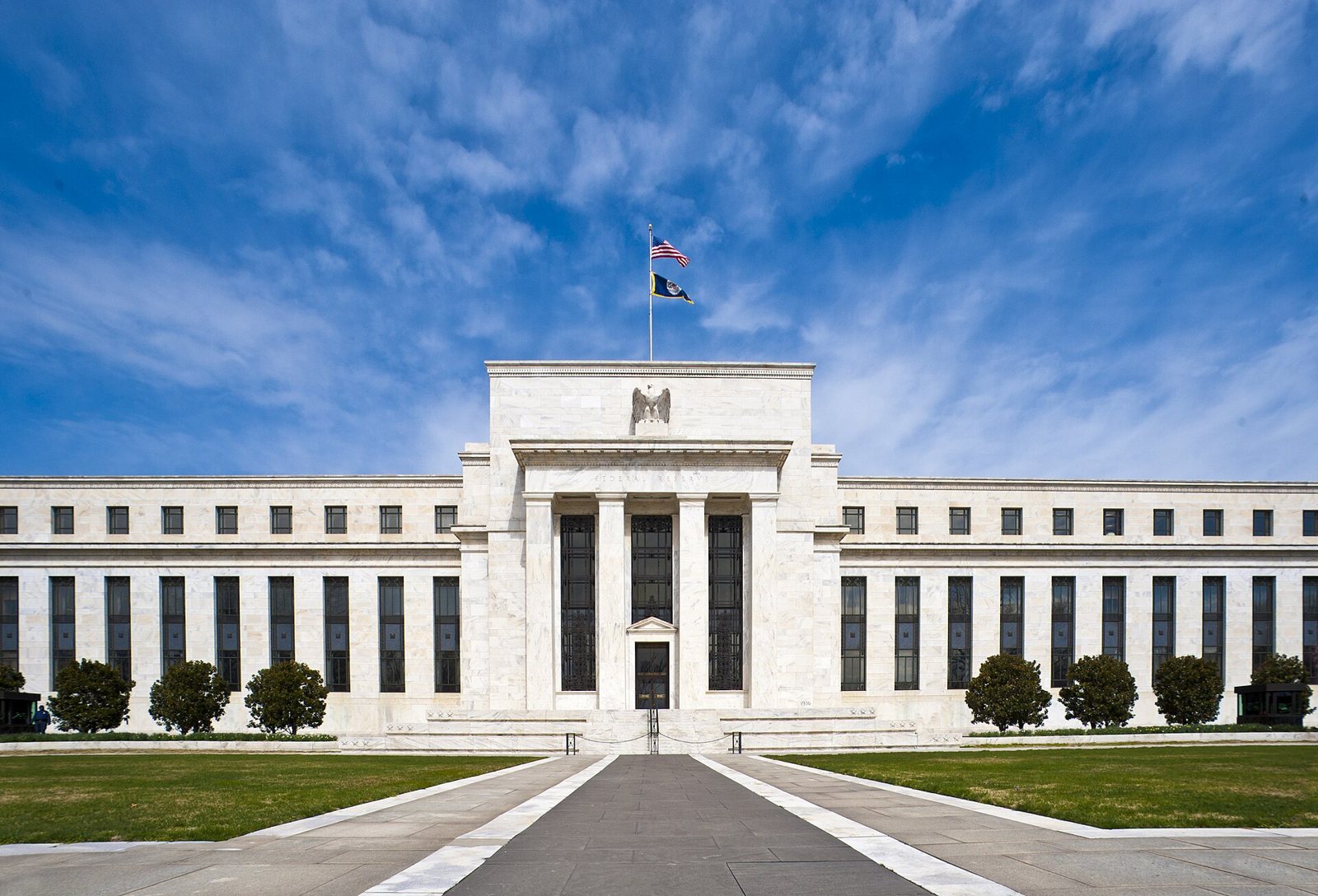
For most of this year, the story on interest rates was a waiting game — everybody sitting around wondering when the Federal Reserve would finally start cutting. Then, on September 16, the Fed did the opposite. It raised its benchmark rate by a quarter point, to a range of 3.75% to 4%, the first increase since the summer of 2023. The vote was unanimous, 12 to nothing, which tells you the people who watch this stuff don’t think it’s a close call. Inflation is still running at 3.4% a year, comfortably above the 2% the Fed keeps promising to get back to, and with unemployment sitting at a healthy 4.1%, the central bank decided it had room to lean on prices without knocking the wind out of the job market.
That’s the view from thirty thousand feet. Down here in Camden and Gloucester and Burlington counties, the decision shows up in a much more personal way: it just got more expensive to borrow money, whether you’re buying a house or running a business.
What it does to a mortgage
Start with the mortgage, because that’s where most families feel it first. The average 30-year fixed rate climbed to 7.36% on Monday, by Forbes Advisor’s daily tracking — up more than a quarter point in a single week, and rising for three straight days to hit its highest level in a year. Keep in mind, rates spent most of 2026 parked in the 6% range. That climb from the 6s into the mid-7s doesn’t sound like much when you say it out loud. Do the math on a $400,000 loan, though, and you’re looking at roughly $2,760 a month in principal and interest alone, before you’ve paid a dime toward taxes, insurance, or the roof that always seems to go the month after you close.
Here’s the part that makes it sting more in New Jersey than almost anywhere else: our housing market never cooled off to begin with. While home prices actually fell over the past year in a handful of states — Texas, Colorado, Washington, Hawaii — New Jersey has been near the top of the whole country for price growth. Nearly half of the homes sold in this state this summer went for more than the asking price. The statewide median is still hovering around $587,000. So the young couple trying to get into their first place in Deptford or Sicklerville is now getting squeezed from both directions at once: the price won’t come down, and the rate to finance it just went up. That’s a hard combination, and no amount of clever spin makes it easier.
The Fed’s own projections suggest this isn’t a one-and-done. The updated forecast points toward the benchmark rate reaching about 4.1% by the end of the year, which is Fed-speak for “there’s probably at least one more hike coming before Christmas.” Anyone waiting for rates to fall before they buy or refinance may be waiting a while, and betting against the Fed is a good way to lose money.
At the small-business counter
Now flip it over to the counter of a small business, because this is the part that doesn’t make the national headlines but keeps me up at night on behalf of the folks who read this paper. When the Fed raises its rate, the prime rate moves right along with it, and prime is what an awful lot of small-business credit is priced off of. The line of credit the pizzeria owner in Blackwood taps to buy a new oven, the equipment loan the landscaper in Medford took out for a second truck, the variable-rate note on a storefront lease buildout — all of those just got a little pricier to carry. It’s not a catastrophe. It’s a headwind. But headwinds are what turn a thin-margin month into a red one, and margins in this business were already thin.
But headwinds are what turn a thin-margin month into a red one, and margins in this business were already thin.Mason Carter
There is, at least, one group that comes out ahead, and it’s worth naming because it’s usually the same people who’ve been getting nickel-and-dimed by low rates for years: savers. If you’ve got money in a CD or a high-yield savings account, the return on that cash tends to drift up when the Fed tightens. It won’t make anybody rich, but for retirees living partly off their savings, a little more yield is a welcome change after a long stretch of getting almost nothing for playing it safe.
What to do now
So what’s the move if you run a business or a household in South Jersey heading into the fall? The same one good operators always make when money gets tighter: don’t borrow on the assumption that rates are about to drop, because right now they’re pointed the other way. Lock in what you can lock in. Guard your cash. And if you’re a buyer, run the real numbers — not the number your heart wants, the number your monthly budget can actually carry at 7-plus percent — before you fall in love with a house.
New Jersey has weathered expensive money before, and this corner of the state has a way of finding its footing. But the Fed just told us, plainly and unanimously, that the era of waiting for cheap money to come back isn’t here yet. Plan for the world we’re in, not the one we’re hoping for.
Based on reporting from CNBC, CNN, Forbes Advisor, The Mortgage Reports, Redfin, and Cotality.
More South Jersey Business
The Gazette covers the economy the way South Jersey lives it, one household and one storefront at a time.
Read More Local News →