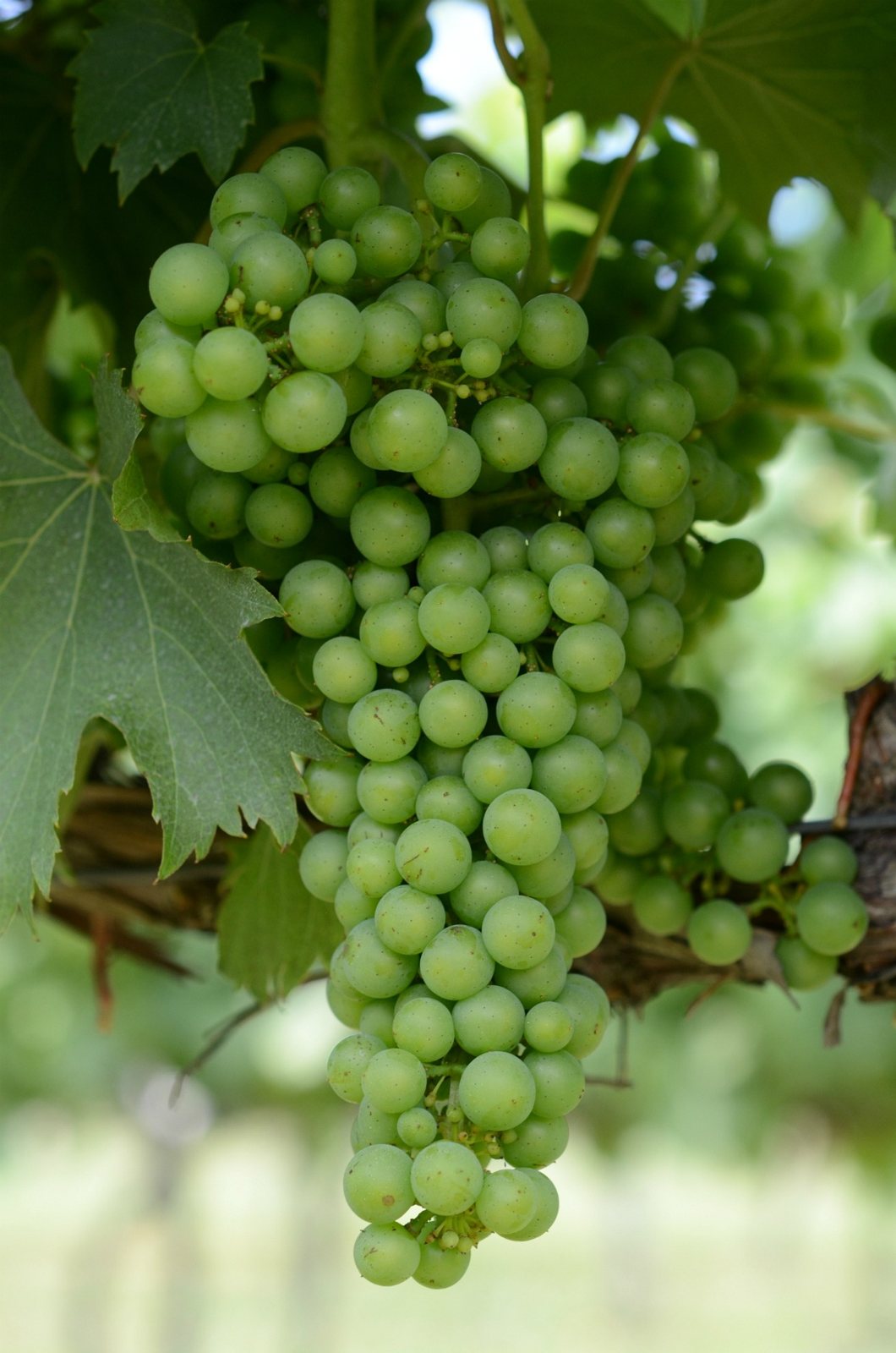
CAMDEN COUNTY — There is a slope on a one-acre vineyard in Camden County that, as far as anyone can tell, saved the whole season. It isn’t much to look at — a gentle grade most of us would walk past without a second thought. But when the cold came this spring and settled over New Jersey like a wet blanket, that slope let the frigid air drain off the vines and roll downhill, and the grapes survived. More than 5,000 pounds of Chambourcin came off that single acre this fall. Everywhere else, the story went the other way.
The spring frost that hit New Jersey this year did something close to $300 million in agricultural damage statewide, and South Jersey — the fruit basket of the Garden State — took it on the chin. Fruit growers were hit hardest. Some winemakers lost vines outright. “South Jersey winemakers took a big hit,” Camden County Commissioner Director Louis Cappelli Jr. said, adding that some of this year’s crop could not be used for wine and some vines were lost entirely. For families who have farmed this corner of the state for generations, that is not a line item. That is a year of work, gone in a couple of cold nights.
Keep It Growin’
What’s happened since is the part that makes me proud to live here. Instead of writing the season off, South Jersey has decided to close ranks around its growers. This month, Visit South Jersey launched a campaign it’s calling “Keep It Growin’,” and the ask is about as neighborly as it gets: spend your money close to home. Go to the farmers market. Drive out to a pick-your-own farm even if the pickings are thin. Buy the bottle of Jersey wine. Show up.
“Every visit matters no matter what you get,” said Michael Snyder of Visit South Jersey. The point, he explained, is that visiting the farms and wineries supports the people who grow our food and keeps the agricultural traditions of this region alive — traditions that are a lot older and a lot more fragile than most of us stop to consider as we’re grabbing cider on a Saturday.
The acre that made it
Back in Camden County, that surviving acre offers a glimpse of what the show-up ethos actually produces. The vineyard was planted in 2019 and has given up more than 30,000 pounds of grapes across six harvests. Steve Becker of Vinetech, who tends it, has fought off deer, spotted lanternflies, and now frost, and he’ll tell you the season is finally back in balance. The Chambourcin — a dark, hardy hybrid — is headed to Amalthea Cellars Farm Winery in Atco to be crushed. In a year or two, it’ll be in a bottle.
Louis Caracciolo, who owns Amalthea, has spent decades making the case that this region can make something worth drinking. He sounds, these days, like a man watching the rest of the world finally agree with him. People are realizing, he said, that New Jersey is making a lot of fine wine now.
The bill comes due
That is the quiet truth underneath a hard year. The frost took a lot. It did not take the farms, and it did not take the stubbornness of the people who work them. Cappelli said the county’s growing wine industry “reminds us why we are known as the Garden State,” and he’s right — but identity is a thing you have to keep paying for. This fall, the bill comes due in the most ordinary way imaginable: a drive out to a farm stand, a few dollars left behind, a neighbor telling another neighbor that it’s worth the trip.
The frost took a lot. It did not take the farms, and it did not take the stubbornness of the people who work them.Max Cedar
Go buy the apples. Go buy the wine. The slope did its part. The rest is up to us.
Based on reporting from NBC10 Philadelphia, CBS News Philadelphia, and Visit South Jersey.
More South Jersey News
Go buy the apples. The Gazette will keep telling you where.
Read More Local News →