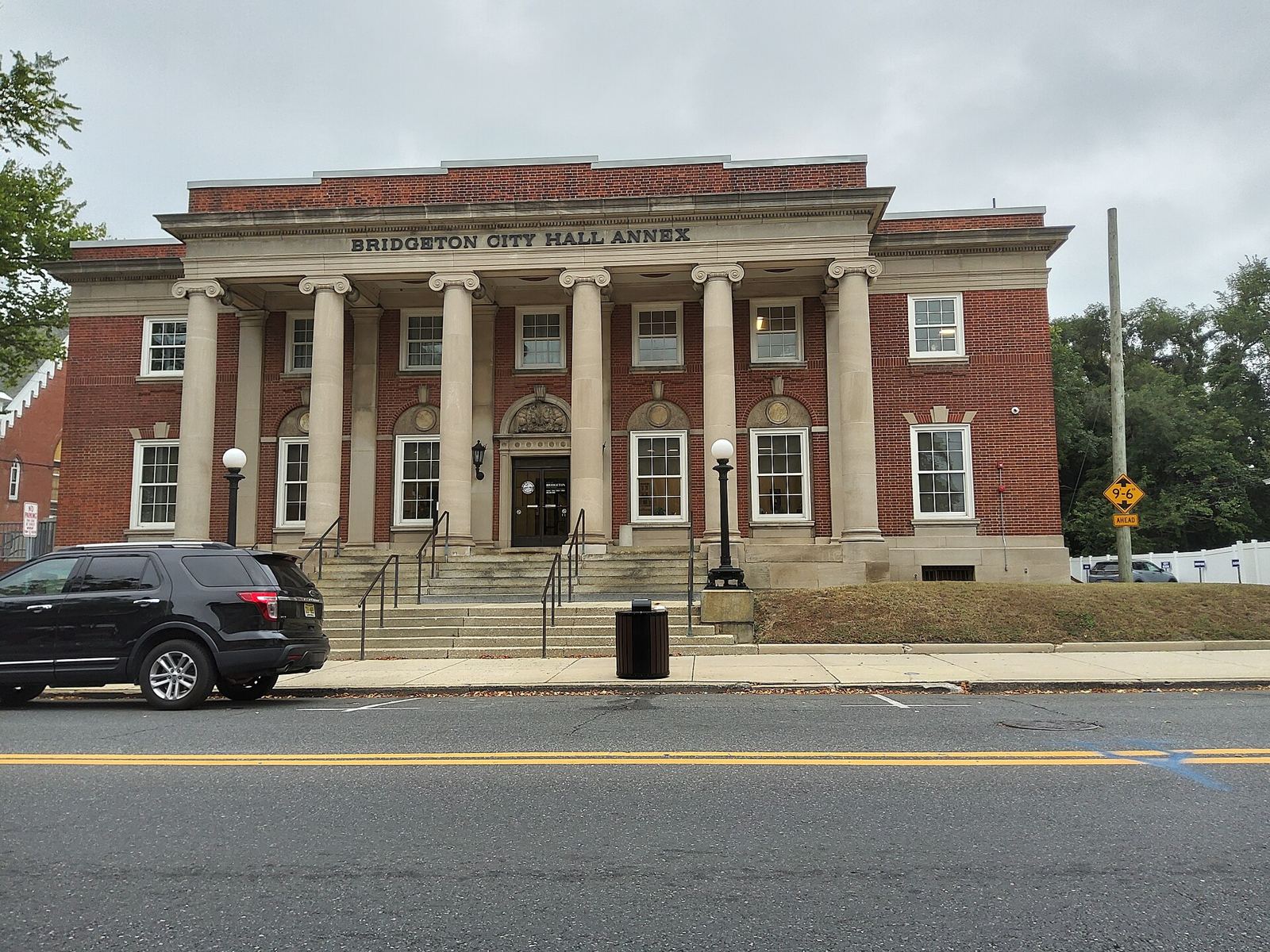
BRIDGETON — On October 6, after months of public meetings and a summer of tension, the Bridgeton City Council gave final approval to an ordinance limiting how the city’s own property, staff, resources and information can be used for civil immigration enforcement. For residents following the story, it was the end of a long push. For residents just now tuning in, it’s worth slowing down to understand precisely what the Council did, because the gap between what an ordinance like this says and what people assume it says is where confusion lives.
What it does not do
Start with what it does not do. The ordinance does not bar federal immigration agents from entering Bridgeton. It does not stop ICE operations within the city, and it does not give the municipality the power to do so — immigration enforcement is federal authority, and a city cannot legislate it away. That is not a loophole or a weakness in the drafting; it is the legal reality every New Jersey municipality that has passed a measure like this is operating within.
What it does do is draw a line around the city’s own resources. Under the ordinance, city-owned property, municipal employees, and city information and equipment cannot be put in service of civil immigration enforcement. In plain terms: the federal government may do its job, but Bridgeton’s parks, personnel and records are not to be part of the apparatus.
That is not a loophole or a weakness in the drafting; it is the legal reality every New Jersey municipality that has passed a measure like this is operating within.Grace Monroe
What residents say happened this summer
That distinction grew directly out of what residents say happened this summer. According to an account published by CATA — the Glassboro-based farmworker advocacy organization that helped organize the response — ICE returned to Cumberland County in July and used public spaces in Bridgeton, including the city zoo, a dog park, basketball courts and public parks, as staging grounds, with agents gathering in the mornings before moving detained people into larger vehicles. CATA dates the first documented incident to July 11. The ordinance is the city’s answer to that specific use of its specific property.
The path to passage ran through ordinary civic machinery. Residents gathered outside the Municipal Court on Fayette Street on July 21 and gave public comment at that day’s Council meeting. When the measure wasn’t on the following month’s agenda, more than 40 people returned to the Council on August 18. The Council introduced the ordinance on first reading September 15 and passed it on final reading October 6. CATA’s account does not report the final vote count, and the organizers behind the push — Edgar Aquino-Huerta and Marisol Soriano among them — made their case from the public-comment microphone, not the dais.
One voice from that effort stayed with me. Wendy Jimenez, a CATA team member, described showing up to one of the meetings not knowing what to expect. “At first, I was nervous because I didn’t know what to expect,” she said in CATA’s account, adding that the turnout moved her and that she’d come back. That is what civic participation looks like at the ground level — not certainty, but showing up anyway.
Not acting alone
Bridgeton is not acting in isolation. Over the past year, a number of New Jersey municipalities have adopted their own versions of this policy, each wrestling with the same question of where local authority ends and federal authority begins. Reasonable people in this city and across Cumberland County will disagree about whether the ordinance goes too far or not far enough, and that disagreement is legitimate. My job here is narrower and, I’d argue, more useful: to make sure that when Bridgeton residents talk about what their Council did, they’re talking about what it actually did.
The ordinance has passed the Council. It reshapes how the city’s own house is used. It does not, and cannot, change federal enforcement. Hold both of those facts at once, and you understand the thing.
Based on reporting from CATA (Edgar Aquino-Huerta), Insider NJ and NJ.com.
More South Jersey News
The Gazette covers government and civic affairs across South Jersey.
Read More Local News →