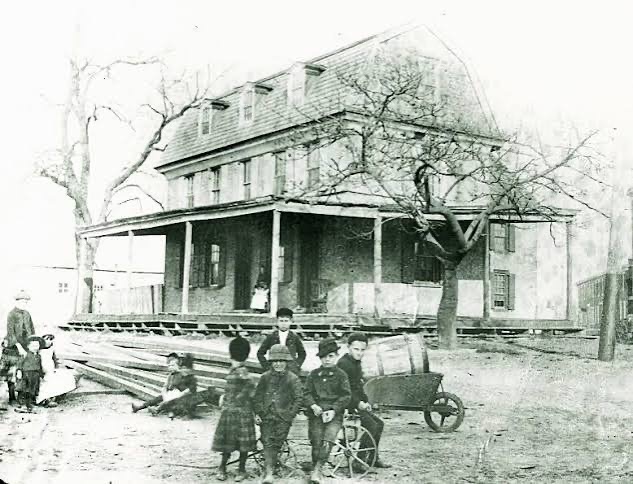
On the Camden waterfront, within sight of the river that carried both British warships and American hopes, stands a brick tavern that has been keeping quiet for a very long time. The Benjamin Cooper House has watched nearly three centuries pass. This summer, in the year of America’s 250th, it has been given its voice back.
The old Cooper tavern has been transformed into the American Revolution Museum of Southern New Jersey, the centerpiece of Camden County’s semiquincentennial effort — a package of events and projects that local leaders have gathered under the banner of South Jersey 250. The museum opened this summer, in time for the United States’ 250th anniversary of independence on July 4, 2026, with exhibits, a community room, and public facilities serving travelers along the 33-mile Camden County Circuit Trail. That last detail is the kind of thing I find myself lingering on: a Revolutionary-era building, restored not as a mausoleum but as a working stop on a trail people actually use. History that you walk into on your way to somewhere else is history that survives.
History that you walk into on your way to somewhere else is history that survives.Henry Whitaker
What this ground actually saw
It is worth remembering what this ground actually saw. The Delaware was not a backdrop to the Revolution — it was a front line. Ferries and taverns like Cooper’s sat at the hinge between occupied Philadelphia and the Jersey countryside where Washington’s army and the local militias moved, gathered intelligence, and waited. The men and women who passed through these doors were not characters in a distant pageant. They were farmers and boatmen and tavern-keepers making daily choices, under real risk, about which side of a war they would stand on. A tavern was where news traveled and where loyalties were tested over a pint. Turning this particular building into the museum is not a marketing decision. It’s the correct one.
History hiding in plain sight
The Cooper House is not standing alone in this work. The Camden County Historical Society has launched an American Revolution Heritage Trail, installing thirty-four markers across the county at the sites of battles and moments most of us drive past without a second glance. I have always believed that the deepest history is the kind hiding in plain sight — the ordinary intersection that was once a skirmish, the field that was once a camp. Thirty-four markers is thirty-four invitations to look again at a place you thought you knew.
And the anniversary is not only a matter of reverence; it is a matter of ledgers, too. Camden County leaders planned a Freedom Festival at Wiggins Waterfront Park on July 4, with The Commodores headlining, and fireworks aboard the Battleship New Jersey. Hotel rooms across Camden, Gloucester, Salem and Burlington counties filled, with the season’s events projected to bring somewhere between $2.5 and $3 billion in economic impact to the region. History, it turns out, can also be an engine.
But strip away the festivals and the figures and you are left with the tavern. Two hundred and fifty years ago, people stood inside those brick walls and argued about what kind of country they wanted, not knowing if they’d live to see it. This summer, the doors open again, and the rest of us get to walk in and listen. If you go, stand still for a moment before you read a single placard. Let the building do what it has always done best — remind you that the people who made this country were, in the end, neighbors.
Based on reporting from CBS Philadelphia, the Camden County Historical Society, South Jersey Media and Save Jersey.
More South Jersey Heritage
The people, places and stories that made this region. The Gazette keeps South Jersey’s history close.
Read More From the Gazette →